While rally obedience is often seen as a more relaxed form of dog sports compared to traditional obedience, a solid foundation of heelwork is just as important. So, heelwork is a key skill in rally obedience. In rally, your dog’s ability to remain focused, responsive, and in contact with you during the course can make or break your performance.
At the heart of rally obedience is the relationship between handler and dog. When your dog heels properly, it stays close to you, maintaining contact and staying attuned to your body movements and voice commands. Good heelwork ensures that your dog remains focused on you, even as distractions or the signs on the course come into play. Without strong heelwork, dogs can lose focus and become distracted by environment, which can lead to errors and deductions. A dog that stays engaged in heelwork will be more likely to perform each exercise with precision and confidence.
Rally obedience can be stressful, especially in a competition setting with various distractions and different courses. A well-trained dog handles the pressure better. The focus and bond built through consistent heelwork allow your dog to stay calm and composed, even in the heat of competition. This means fewer mistakes and a more enjoyable experience for both you and your dog.
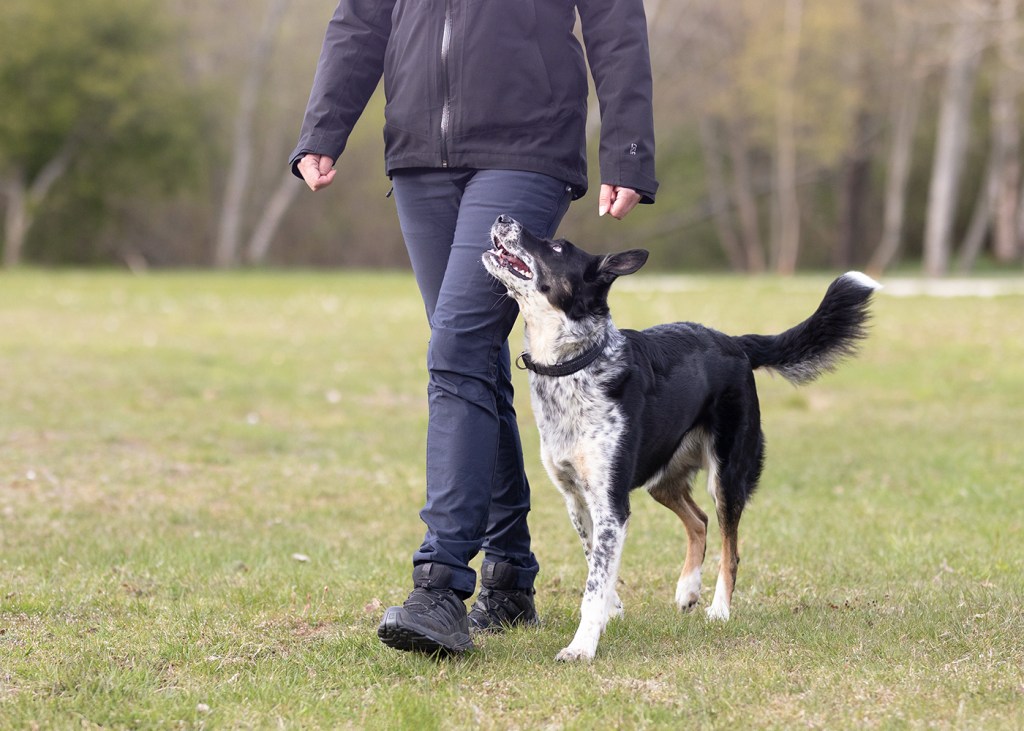
Rally obedience involves various exercises that require coordinated movement between the handler and the dog. Not only turns, turning in distractions exercise or weaving through cones, but also side steps and stepping backwards are part of the heelwork. So there are lot of exercises what are pure heelwork or closely related to it. Additional to exercises good heelwork helps ensure smooth entering to the ring, transitions between exercises and leaving the ring after finishing the course.
When the dog is in proper heel position, they can easily match the handler’s pace and anticipate movements, making each task flow seamlessly. Proper heelwork teaches the dog to stay within a defined space, follow the handler’s body language, and respond quickly to verbal cues. This level of control is essential in preventing deductions for dog being askew, out of position or on handler’s path.
Heelwork is not just about precise movements and commands—it’s about building trust between you and your dog. When your dog heeds your commands and stays close by your side, they trust you to guide them through the course. This trust is key not only to a successful rally performance but to a stronger, more positive relationship overall. Through regular heelwork practice, you strengthen the bond with your dog, which can carry over into other areas of training and daily life.
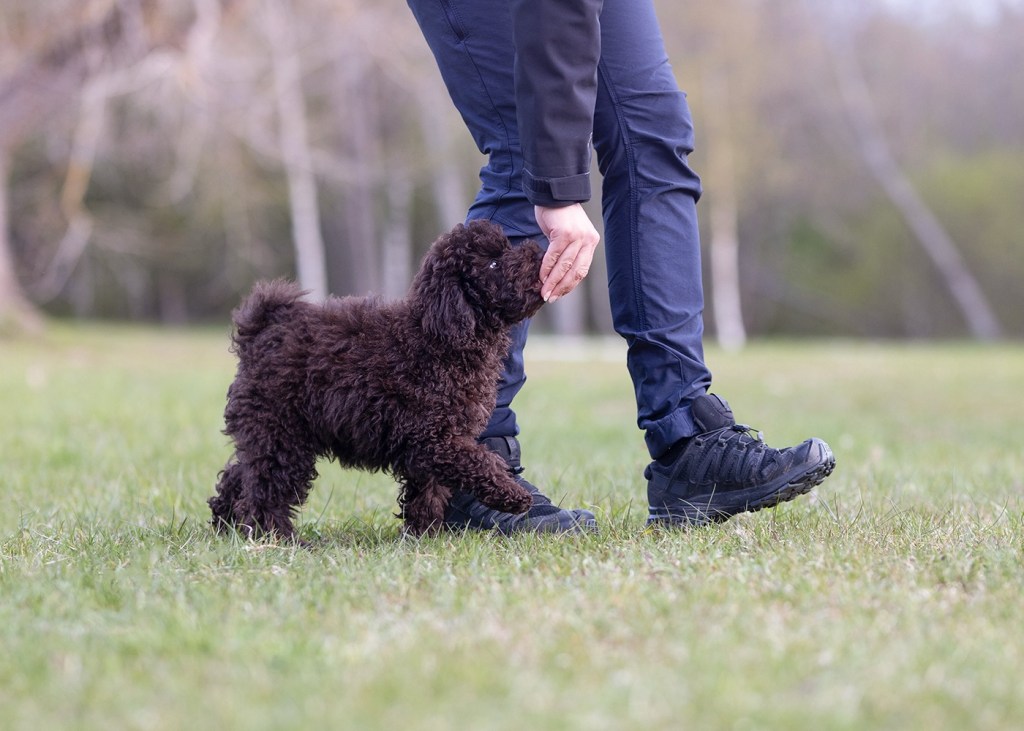
Heelwork in rally obedience is much more than just a basic command—it’s the backbone of success in the sport. It enables clear communication, promotes focus and precision, and fosters a strong partnership between you and your dog. Whether you’re just starting out in rally obedience or preparing for higher-level trials, investing time in perfecting heelwork will pay off in better performance and a stronger bond with your canine companion.
So, next time you practice, remember: heelwork is key!
 KARIN LASSMANN
Lisa kommentaar