A strong bond with your dog is the foundation for effective training and clear communication. When your dog trusts and connects with you, they’ll be more engaged, responsive, and eager to work with you.
Bonding with your dog means building a strong, trusting relationship that helps you understand each other on a deeper level. It’s about creating a connection where your dog feels safe, valued and eager to interact with you. This bond goes beyond basic care—it’s about mutual respect and companionship.
Why Bonding Matters
- Better Communication: A bonded dog pays attention to your cues, body language, and tone, making training smoother.
- Motivated Learning: Dogs who trust you are more eager to please and enjoy training sessions.
- Reduced Stress: A strong connection helps your dog feel safe and confident, even in challenging situations.
- Stronger Teamwork: Bonding builds a partnership where your dog willingly follows your lead.
How to Build Bond with Your Dog
- Spend Quality Time Together
Bonding doesn’t happen overnight—it’s built through consistent, meaningful interactions. Take time to engage in activities your dog enjoys, whether it’s playing fetch, going for walks or simply relaxing together. - Positive Reinforcement
Reward your dog for good behavior with treats, praise, or play. Positive reinforcement not only encourages desired behaviors but also reinforces the idea that you’re a source of good things. - Practice Clear Communication
Dogs thrive when they understand what’s expected of them. Use consistent cues, body language, and tone of voice to communicate clearly. Avoid sending mixed signals, as this can confuse your dog and weaken your bond. - Engage in Training
Training isn’t just about teaching commands—it’s also an opportunity to connect with your dog. Regular training sessions build trust, improve communication, and provide mental stimulation, which helps deepen your relationship. - Play Together
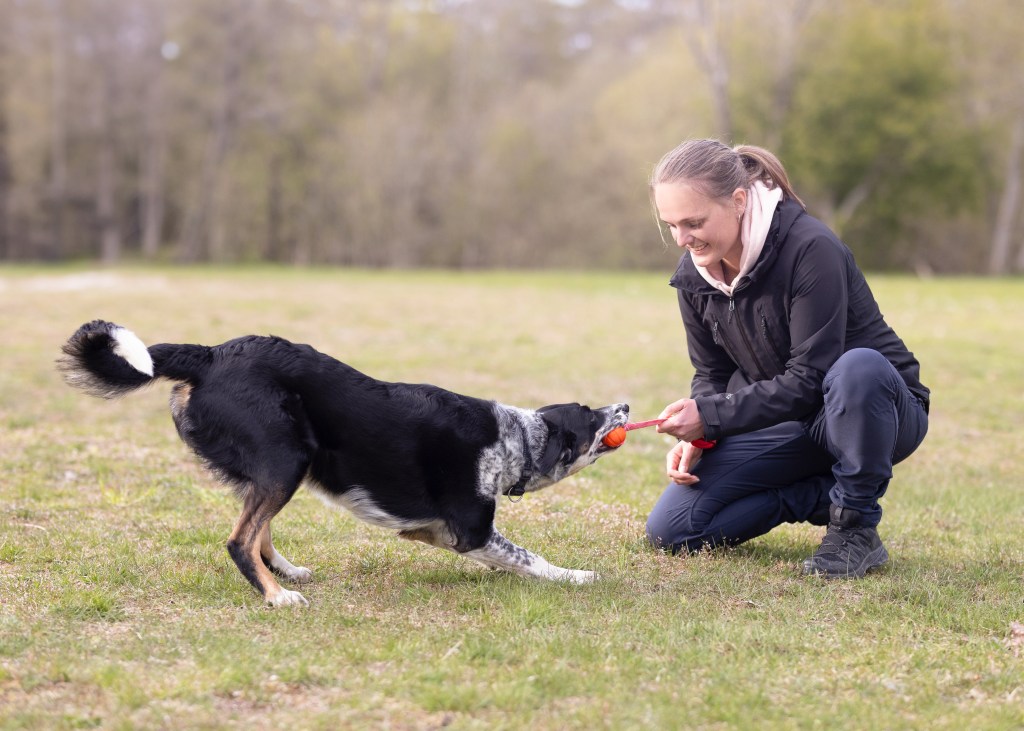
Play is one of the best ways to bond with your dog. It’s fun, interactive, and helps strengthen your connection. Choose games your dog loves, such as tug-of-war, hide-and-seek, or chasing a ball. - Physical Affection
Many dogs enjoy physical touch as a way of bonding. Petting, cuddling, or giving a gentle massage can help reinforce your connection. Pay attention to your dog’s preferences, as some may prefer less physical contact than others. - Explore Together
Whether it’s a new walking trail, a dog-friendly park, or a training class, shared adventures create positive memories and strengthen your bond. These experiences also provide opportunities for your dog to learn to rely on you in new environments. - Be Patient and Consistent
Building trust takes time, especially if your dog has had a difficult past. Show patience and consistency in your interactions, and let your dog progress at their own pace.
Bonding with your dog is the key to successful training and a happy relationship. By focusing on trust, communication, and shared experiences, you’ll create a partnership that makes both training and everyday life more rewarding. Remember, every moment spent together is an opportunity to grow your connection!
 KARIN LASSMANN
Lisa kommentaar